

Working with chocolate is a bit like alchemy. It requires patience, an eye for detail and, above all, an understanding of how this noble ingredient behaves under different conditions. Even the best recipe for brownies or chocolate fondant can go wrong if you overlook the basics. Let’s take a look together at where people most often go wrong in the kitchen and how to ensure your desserts look and taste as if they came from a professional patisserie.
1. Choosing your ingredients: not all chocolate is created equal
Many home bakers make a mistake right at the supermarket shelf. You often reach for cheap chocolate with a low cocoa content or so-called ‘confectionery coating’. The problem is that these substitutes contain vegetable fats instead of cocoa butter, which have a completely different melting point and properties. When baked, this mixture behaves unpredictably – it melts poorly, can create an unappealing texture in the batter, and its flavour is flat and overly sweet.
If you want your dessert to truly stand out, look for high-quality chocolate with a higher cocoa content. High-quality chocolate will give the batter richness, depth and a characteristic aroma that will fill the house even whilst it’s baking. Remember that chocolate is the flavour carrier in the recipe, not just a colouring agent, so it’s worth investing in.
2. Rushing the melting process
In today’s fast-paced world, we tend to rush everything, but with chocolate, this doesn’t pay off. We often put it in the microwave for too long or heat it in a saucepan directly on the hob. However, chocolate is extremely sensitive to high temperatures. If you overheat it, the cocoa butter separates, the sugar caramelises, and the result is a bitter, lumpy mass that cannot be salvaged.
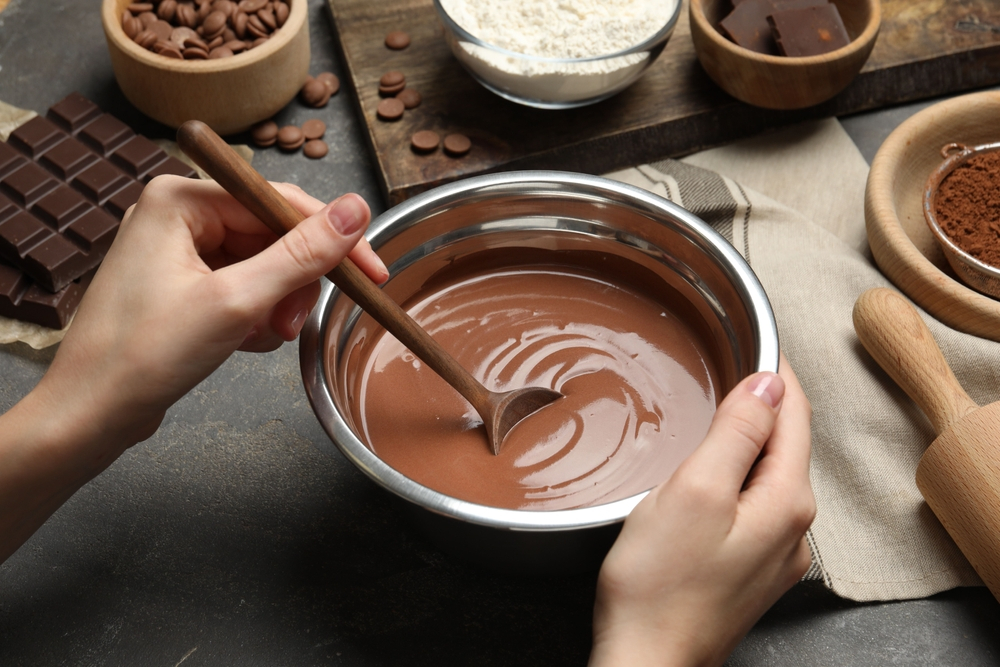
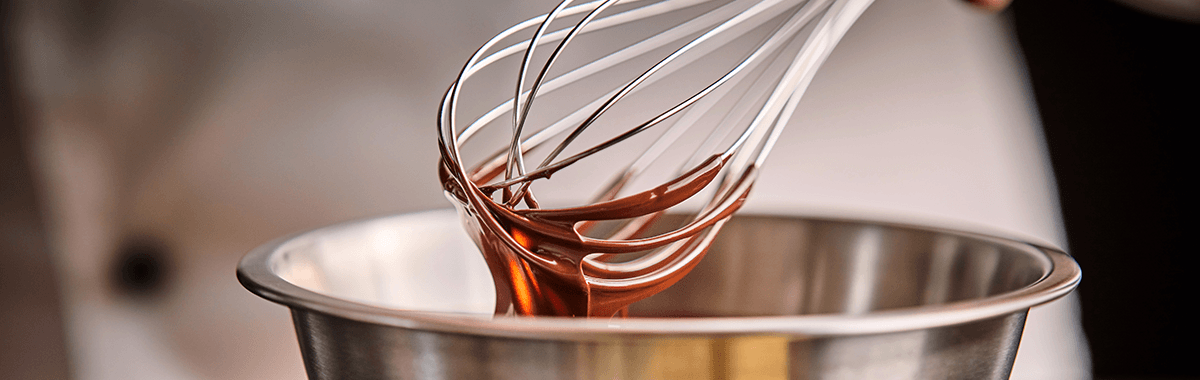
The right way to do it requires patience. The ideal method is a bain-marie, where the bowl of chocolate must not touch the boiling water with its base – the rising steam is enough. If you prefer the microwave, set it to a lower power setting and take the chocolate out every 20 seconds to stir it. The heat from the already melted pieces will help to gradually melt the rest, giving you a perfect shine and smoothness.
You can see how to melt chocolate HERE.
3. Water as the arch-enemy
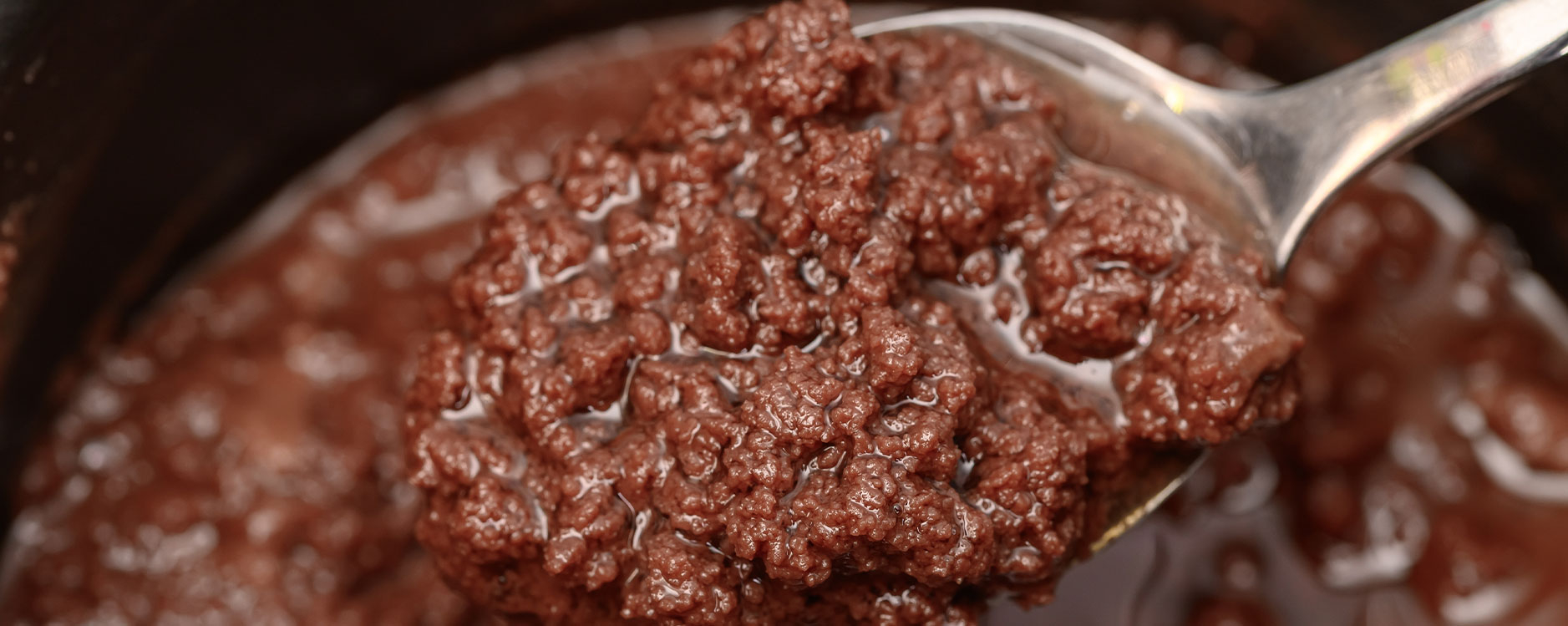
It may seem paradoxical, but a single drop of water is enough to turn your beautifully smooth melted chocolate into a stiff, curdled mixture in an instant. This phenomenon is called ‘seizing’. This is because water causes the sugar and cocoa particles to clump together and separate from the fat. The chocolate then loses its fluidity and begins to resemble wet sand rather than a velvety glaze.
So be very careful when working with chocolate. Make sure that all spatulas, bowls and whisks are completely dry. If you are melting chocolate over steam, ensure that the bowl fits snugly over the pan; otherwise, moisture may condense underneath and seep into the chocolate. Cleanliness and dryness are essential for success in this case.
4. Temperature shock between ingredients
Imagine you have beautifully smooth, warm chocolate in a bowl and you crack two eggs straight from the fridge into it. What happens? The chocolate suffers a temperature shock, immediately starts to set, and forms tiny hard lumps in the cream or batter. Instead of a light, fluffy mousse, you end up with uneven lumps in your dessert, which spoil the whole dining experience.
The room temperature rule applies doubly when baking with chocolate. Eggs, milk and butter should be at a similar temperature to the surrounding environment. If you do have to combine ingredients at different temperatures, do so gradually. First, stir just a small amount of the other ingredient into the melted chocolate to allow the temperatures to equalise, and only then continue with the rest.
5. More chocolate doesn’t automatically mean a better dessert
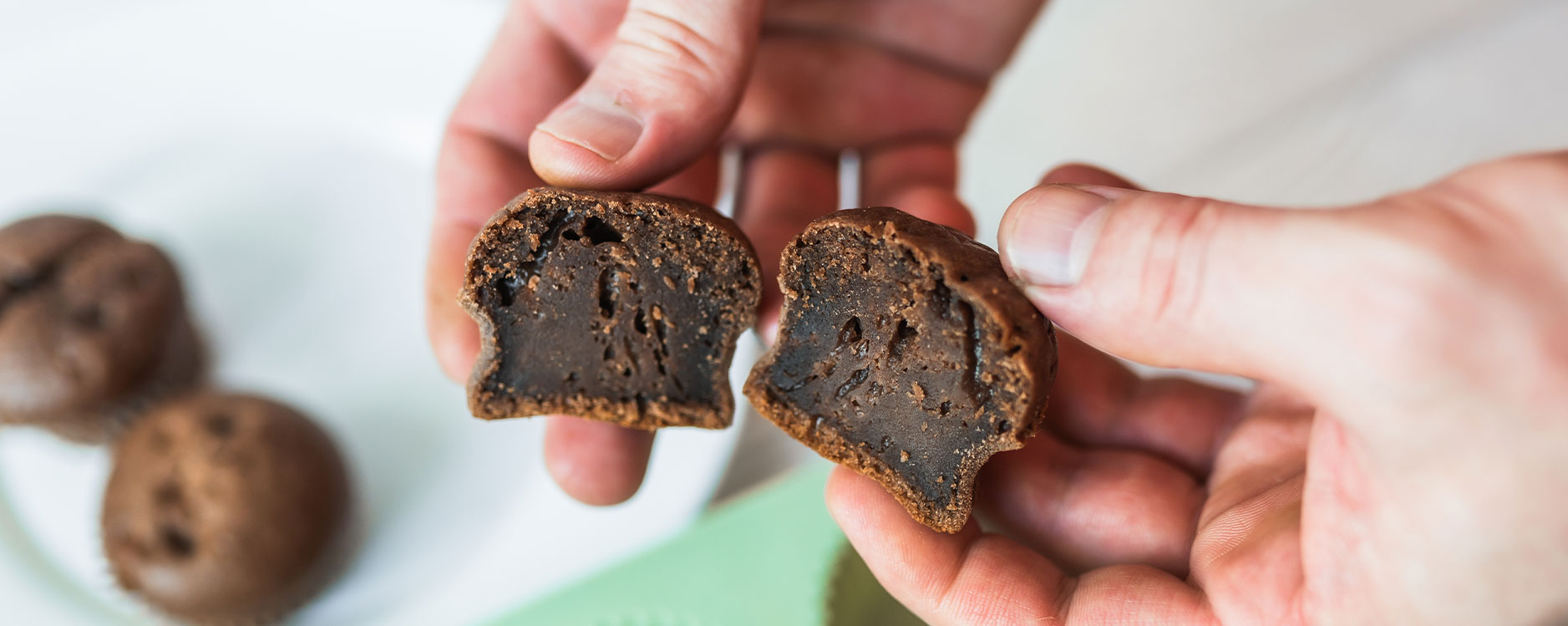
Our love of chocolate sometimes leads us to believe that adding an extra bar to a recipe will make the result even more intense. However, baking is a science based on precise proportions. Chocolate contains a significant amount of fat and sugar, and if you increase the amount without adjusting the other ingredients, you will upset the balance of the recipe. The dessert may then be too heavy, greasy, or fail to bake properly in the oven, remaining underdone in the middle.
Instead of increasing the quantity, focus on intensity. If you’re after a more pronounced flavour, don’t increase the weight, but opt for chocolate with a higher cocoa percentage. High-quality chocolate contains so many aromatic compounds that even a smaller amount is more than enough to make your dessert shine and leave an unforgettable impression on the palate.
In conclusion
When baking with chocolate, it’s not just the recipe that matters, but also the correct method and the quality of the ingredients used. If you avoid these five most common mistakes, your desserts will taste even better and working with chocolate will be much easier and more enjoyable for you.
After all, the foundation of every sweet success is integrity – both in your approach and in the choice of what you put into the batter. Carla’s high-quality chocolate, made with respect for Czech tradition, is perfect for this purpose. It will help you achieve exactly the results that will keep your loved ones coming back to your table. Now there’s just one thing left to do – choose the right piece and get creative.