We’ve probably all been there. You fancy something sweet, so you carefully unwrap the bar, but instead of a perfectly glossy and smooth treat, you’re met with a dull surface dotted with greyish or white patches. At that moment, you naturally wonder: has the chocolate gone off? Is it still safe to eat, or should it go straight in the bin?
Right at the start, we have some reassuring news for you. In most cases, it’s nothing dangerous, and it certainly isn’t mould on the chocolate. So your health isn’t at risk.
What exactly is that white coating on the chocolate?
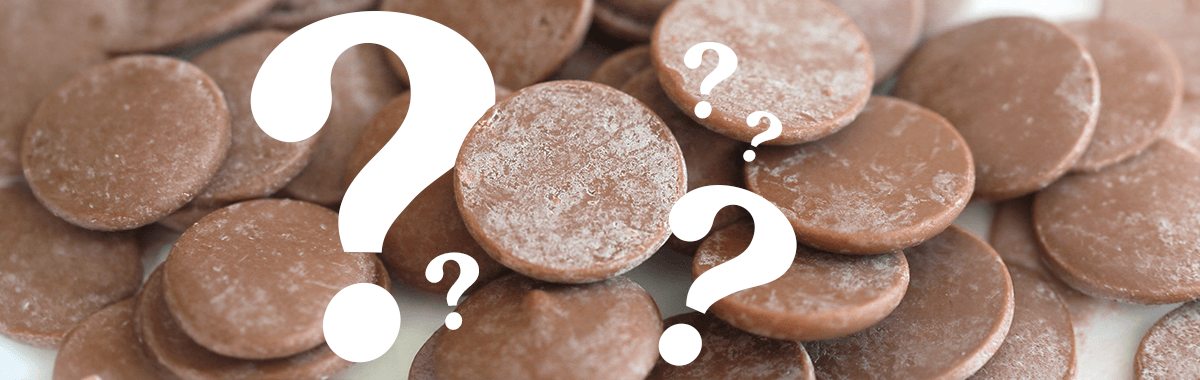
Experts from chocolate factories have a lovely poetic name for this common phenomenon: they call it chocolate bloom. Although it sounds as though the chocolate is blooming, it is actually a completely natural physical reaction of the ingredients from which it is made. Chocolate with a white coating has essentially just reacted to changes in its environment. This bloom is divided into two basic types – fat bloom and sugar bloom. Both look very similar at first glance, but they occur for different reasons.
Fat bloom: When temperature plays tricks on chocolate
Fat bloom is by far the most common reason why chocolate loses its perfect shine. Temperature fluctuations or improper storage in excessive heat are to blame. Imagine the chocolate being exposed to direct sunlight for a while or sitting near a radiator. The cocoa butter, which is a natural component of any good-quality chocolate, begins to soften and literally rises to the surface. Once the temperature drops again and the chocolate cools down, the fat on the surface hardens once more. This time, however, it does not form a smooth surface, but rather that familiar matt, greyish or whitish film. It is therefore not a case of spoiled food, but merely ‘stray’ cocoa butter.
Sugar bloom: Treacherous moisture
The second culprit is usually sugar bloom, which is caused by moisture. It occurs when the chocolate ‘sweats’. A typical example is when you have stored it in the fridge and then move it to a warm room. Microscopic droplets of water condense on the surface. The sugar naturally present in the chocolate partially dissolves in this tiny amount of moisture. Once the water has evaporated, tiny, whitish sugar crystals remain on the surface.
Is chocolate with a white coating edible?
The answer you’re waiting for is: Yes! In the vast majority of cases, chocolate with a white coating is edible and safe. If it still smells enticingly of cocoa, has no unusual aftertaste and is not past its use-by or best-before date, you can eat it with confidence.
However, it is worth noting that blooming affects the taste and texture. The chocolate may be slightly more brittle to the bite, may crumble more easily, or may not melt as smoothly and creamily on the tongue as you are used to. However, the difference in appearance and texture does not pose a health risk.
How to tell when it’s best not to eat chocolate
Although we want to reassure you, it is of course important to always use common sense and trust your senses. If you are unsure, look out for warning signs. Chocolate should be thrown away if you notice these signs:
- You can smell an unpleasant rancid odour.
- There are obvious fuzzy patches of colour on the surface (real mould rarely forms on chocolate due to its low water content, but it can happen if it is left completely neglected).
- The surface is unusually sticky or greasy.
- The chocolate has an unpleasant or strange taste when tasted.
- It has been stored in damaged and open packaging in poor conditions for a very long time.
How to prevent a white coating and how to store chocolate
The key to keeping your favourite treat in perfect condition is knowing how to store chocolate properly. It keeps best:
- In a dark, dry place.
- Out of direct sunlight.
- At a stable room temperature (ideally between 15–18 °C).
- Adequate distance from heat sources.
- Well wrapped (ideally not near strongly aromatic foods).
You may be surprised to learn that the fridge, a favourite spot for many, is not at all the ideal place for long-term storage of chocolate. It is too humid in there, and what’s more, chocolate is very quick to ‘borrow’ the smells of surrounding foods. If you do need to chill it during a hot summer, seal it carefully in a box. After taking it out of the fridge, leave it in its wrapper for a while to acclimatise, to prevent sudden condensation.
Are you interested in how to store chocolate properly?
Does it have a coating? Put it in a cake!
Sometimes chocolate simply loses its appeal and no longer looks nice enough to serve to guests with afternoon coffee. But it would be a terrible shame to throw it away. It is precisely chocolate with a coating that is absolutely fantastic for cooking and baking. By melting it, the cocoa butter and sugar crystals will dissolve beautifully again and blend with the other ingredients. There won’t be a trace of the coating left.
You can mix it into the batter for dense brownies, add it in chunks to muffins or pound cakes, whip up a smooth ganache, incorporate it into a cream, or simply melt it in milk for a proper hot chocolate. Whether you choose Carla chocolate bars, cooking chocolate or our chocolate coatings, proper storage will help preserve their flavour and appearance for as long as possible. But even if they’re caught out by a sudden change in temperature, you’re sure to save them in the kitchen.
Try these recipes

Apple cupcakes with chocolate
Moist and fragrant cupcakes packed with chocolate and cocoa, perfect for using up chocolate that has lost its visual appeal.
Grandma’s pound cake
Grandma’s bundt cake is a light and fluffy classic that will fill your home with a wonderful aroma. The delicate chocolate sponge is perfect with coffee or tea, or as a sweet treat after Sunday lunch.


Bean Brownies
Bean brownies are moist, chocolatey and a surprisingly lighter treat. Thanks to the beans, they have a delicate texture and are perfect as a healthier dessert with coffee or a guilt-free sweet snack.
In conclusion
Next time you unwrap a bar of chocolate and see white streaks on it, don’t despair. A white coating usually means nothing worse than an innocent reaction to the chocolate being too warm or too humid. You certainly don’t need to throw it away – you can enjoy it straight away, or breathe new life into it by using it to bake your favourite desserts!